
2026-09-15 ·
Common Bed Bug Hiding Spots in Older Tomball Homes
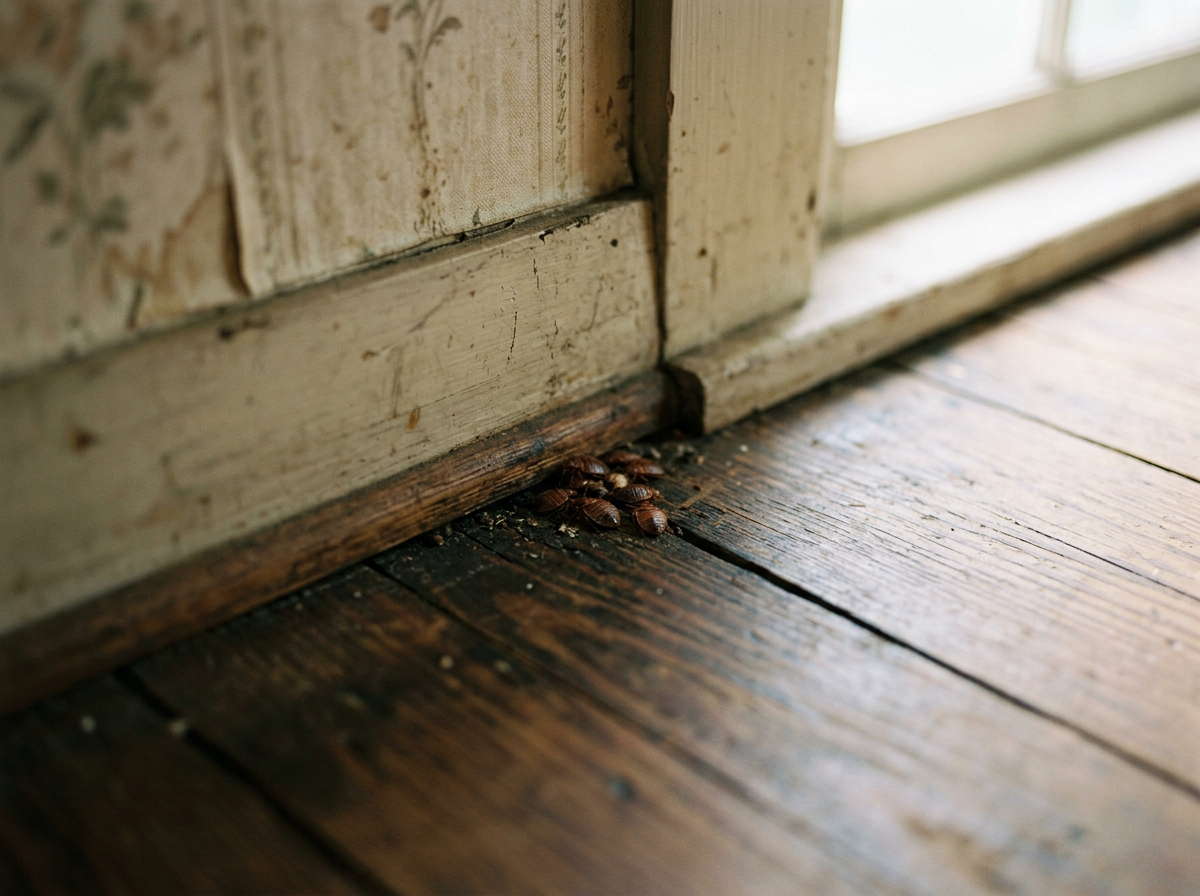
In older Tomball homes, bed bugs most frequently hide in wall voids behind baseboards, inside mattress seams, and within upholstered furniture frames. These spots provide darkness, warmth, and proximity to sleeping areas while allowing movement through cracks and shared surfaces common in homes built before modern insulation standards.
Wall Voids and Electrical Outlets
Older Tomball homes often contain plaster walls and lath construction that develop small cracks over decades. Bed bugs enter these voids through gaps around electrical outlets and switch plates, where they remain protected from light and disturbance. Outlets near beds or couches see higher activity because the insects travel short distances at night. During cooler months when indoor heating runs, these voids maintain steady temperatures that support egg development. An inspection that includes removing outlet covers and using inspection tools can reveal fecal spots or shed skins inside the boxes. Homeowners who notice small dark stains near switches benefit from checking adjacent rooms, since bed bugs move through conduit runs. Professional teams use this knowledge to map activity patterns before applying heat that reaches 120°F throughout the void spaces.
Baseboards, Trim, and Floor Gaps
Baseboards in pre-1980s Tomball houses frequently pull away from the wall due to settling, creating narrow gaps ideal for bed bug shelter. The insects deposit eggs in these spaces because the 1/8-inch openings protect them from vacuuming and foot traffic. Floor transitions between hardwood and carpet also trap debris that hides eggs, which hatch in 6–10 days under typical indoor conditions. Because bed bugs can survive without feeding for 2–4 months, they persist in these areas even during periods of low occupancy. Checking behind quarter-round molding and along door thresholds reveals clusters during early detection. Residents who move second-hand furniture into these homes increase the chance of introduction along these routes. Targeted heat treatment reaches the required sustained temperature behind trim without leaving chemical residue.
Mattresses, Box Springs, and Upholstered Pieces
Mattress seams, tufts, and the underside of box springs rank among the most consistent hiding spots in Tomball homes. Bed bugs congregate here because the fabric layers offer immediate access to hosts at night. Older furniture with wooden frames develops loose joints that provide additional crevices. When residents bring items from travel along I-10 or student move-in cycles, eggs can transfer directly onto these pieces. Dryer cycles at high heat for 30 minutes kill all life stages on washable bedding, but the frame itself requires separate attention. Inspection protocols examine every seam and staple line with flashlights and magnifying tools. Heat treatment raises the entire mattress and frame above lethal thresholds uniformly, addressing eggs that would otherwise hatch days later.
Travel-Related Items and Shared Surfaces
Suitcases stored in closets or under beds in Tomball homes serve as common introduction points after trips along major corridors. Bed bugs hitchhike in seams and zippers, then move to nearby walls or furniture. In homes with adjoining structures, shared wall voids allow movement between units, making single-room treatments insufficient. Because preparation removes clutter that blocks heat or inspection access, clearing these storage areas forms a necessary first step. Linking inspection findings to treatment plans helps residents understand why items from storage units or resale shops warrant extra scrutiny. A focused bed bug inspection identifies these entry points before activity spreads. When heat methods are selected, the process eliminates all stages without residual concerns for older wood finishes common in local construction.